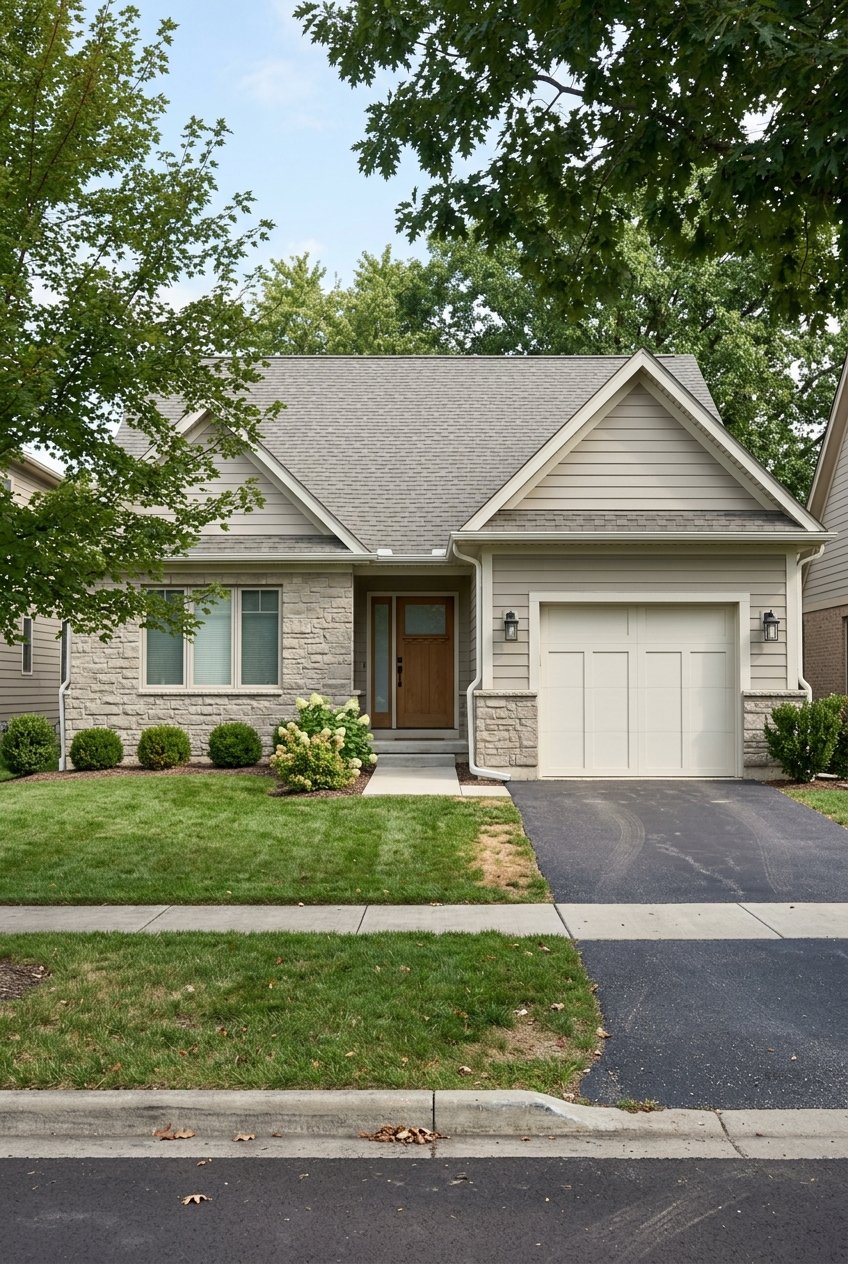
Wondering why one Oakland home gets strong interest right away while another sits and loses momentum? If you are getting ready to sell, pricing is one of the biggest decisions you will make, and it can shape everything from showing activity to your final net proceeds. The good news is that you do not have to guess. With the right local data and a clear strategy, you can price your Oakland home with confidence from day one. Let’s dive in.
Why pricing matters in Oakland
Oakland is not a market where one headline number tells the whole story. According to Redfin’s Oakland housing market data, the median sale price was $731,000 in February 2026, while Zillow’s Oakland home value index was $733,416 as of February 28, 2026. At the same time, Realtor.com’s local market snapshot for Oakland showed a median list price of $649,450 in March 2026.
That kind of spread can feel confusing, but it has a simple explanation. These sources track different things, and Oakland is a smaller market where monthly numbers can swing fast. In February 2026, Redfin showed only 6 sales, which means one or two higher or lower closings can noticeably affect the median.
That is why smart pricing starts with your home, your neighborhood, and your most relevant comparable sales. A broad market number can offer context, but it should not be the only basis for your asking price.
Start with recent comparable sales
If you want to price your home confidently, begin with a tight comparative market analysis. Oakland’s own tax appeal guide points to 3 to 5 recent comparable sales as the strongest evidence of market value. That same source also highlights the importance of using similar properties and documenting differences carefully.
In practical terms, that means you want comps that are as close as possible to your home in size, style, age, lot characteristics, and location. A colonial on one side of town may not be the best benchmark for a ranch in another pocket, especially if layout, updates, or lot conditions differ.
Oakland’s tax assessor page also reinforces that value is tied to market evidence, property condition, and specific details such as prior list price, days on market, and unusual sale conditions. For sellers, that is a helpful reminder that pricing is not about what you hope the home is worth. It is about what the current market can support.
What makes a strong comp
The best comps usually check most of these boxes:
- Sold recently
- Similar square footage
- Similar bed and bath count
- Similar lot size and setting
- Similar condition and updates
- Similar style and overall layout
- Similar location within Oakland
If a sale had unusual terms, heavy concessions, or a condition issue, it may need to be adjusted or excluded. The goal is not to gather the most comps possible. The goal is to use the most credible ones.
Adjust for what buyers actually notice
Even when two homes look similar on paper, buyers often respond very differently in person. That is why pricing needs more than a quick price-per-square-foot formula. In Oakland, a confident list price usually reflects several property-specific adjustments.
Condition and updates
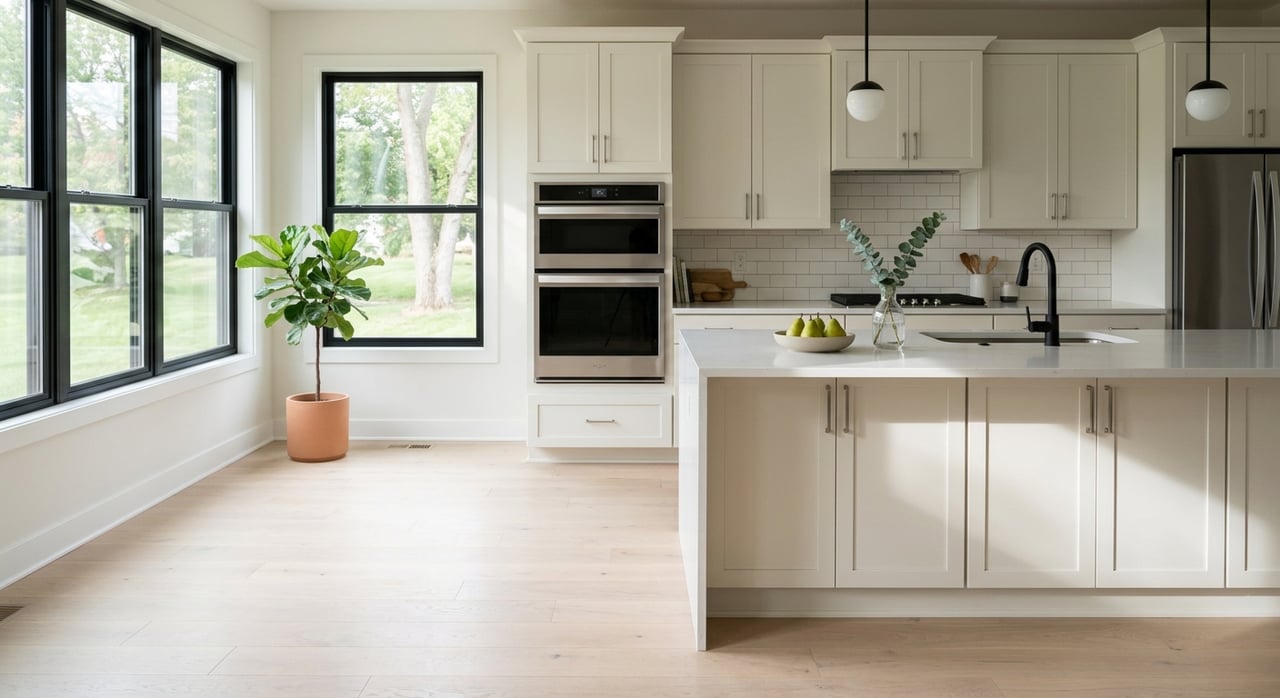
Condition matters because buyers compare your home against everything else they are seeing online and in person. A home with an updated kitchen, refreshed baths, strong mechanicals, and a move-in-ready feel may justify a stronger price than a similar home that needs cosmetic or functional work.
Presentation matters too. According to the National Association of Realtors’ 2025 staging report, 29% of agents said staged homes saw a 1% to 10% increase in dollar value offered, and 49% said staging reduced time on market. Simple steps like decluttering, deep cleaning, and improving curb appeal can help buyers see the value more clearly.
Lot, layout, and usable space
Two homes with the same square footage can still command different prices based on how the space lives. Buyers notice whether rooms flow well, whether the layout feels practical, and whether the lot offers privacy, usability, or special features.
This is where local experience matters. Finished lower levels, work-from-home space, outdoor living areas, and overall functionality can influence value, but not always evenly. The strongest pricing strategy weighs which features buyers in your part of Oakland are actually rewarding right now.
Flood-zone considerations
Flood exposure can affect pricing in Oakland. The borough notes that the Ramapo River runs through the community and that 1.2 square miles fall within the FEMA 100-year flood zone, according to the Oakland Flood Hazard information page. If your home is in or near a flood-prone area, buyers may factor in insurance costs, disclosures, and perceived risk.
That does not mean a home in one of these areas cannot sell well. It does mean pricing should be grounded in comparable sales with similar location factors whenever possible. If nearby non-flood-zone homes are used without adjustment, the list price can easily overshoot the market.
School assignment as a location factor
Location premiums can also vary within Oakland based on how buyers view convenience and school assignment. The borough is served by Oakland Public Schools for grades K-8 and the Ramapo Indian Hills Regional High School District. For some buyers, that assignment is part of how they compare one address to another.
When pricing, the key is to stay factual and use comps from the same or highly similar location context. That helps you avoid overgeneralizing and keeps the price tied to real buyer behavior.
Price in the supportable range
A common seller mistake is aiming just above the market to leave room for negotiation. In reality, overpricing often reduces traffic, weakens urgency, and can lead to a stale listing. Realtor.com’s pricing guidance emphasizes that pricing correctly from the beginning can help a home sell faster, while homes that linger may face softer pricing over time.
The better approach is to price within the supportable comp band from day one. If your best comparable sales suggest a realistic range, your list price should fit that evidence, not stretch far beyond it. This gives you a better chance of attracting serious buyers early, when your listing is freshest.
In a market like Oakland, that early window matters. New listings tend to get the most attention first, so you want your pricing, presentation, and marketing to work together right away.
Treat the first two weeks as a market test
No pricing strategy is perfect on paper. The market still gets the final vote. That is why the first 10 to 14 days after listing should be treated as a real-time market test.
If buyers are scheduling showings, saving the home online, and giving positive feedback on value, that is a healthy sign. If activity is light and comments consistently point to stronger value in competing listings, that is useful information too.
Based on the local data and pricing guidance in the research, an early adjustment is usually less costly than waiting too long. Once a listing starts to feel stale, buyers often assume something is wrong or expect a discount. Acting promptly can protect momentum and keep your sale on track.
Signs your price may need attention
Watch for patterns like these:
- Strong online views but few showings
- Multiple showings but no offers
- Repeated feedback that the home feels high for the condition
- Buyers comparing your home unfavorably to nearby active listings
- Activity dropping off quickly after launch
A price correction is not a failure. It is a strategy move based on how the market is responding.
Avoid common pricing mistakes
Sellers are often tempted to anchor to a tax assessment, a renovation budget, or the highest number they have heard from a neighbor. Those details may feel important, but they do not always translate directly into market value.
Oakland’s annual reassessment program update explains that values are revisited annually based on estimated market value as of October 1. That system matters for taxation, but buyers still make decisions based on current competition, condition, and recent sales, not on an assessed figure alone.
Here are a few pricing traps to avoid:
- Using only one broad market statistic
- Comparing your home to active listings instead of sold homes
- Ignoring location differences within Oakland
- Overvaluing personal taste or unique improvements
- Waiting too long to adjust when feedback is clear
The most effective pricing strategy stays grounded, flexible, and local.
What confident pricing looks like
A confident list price is not just a number. It is the result of a process. You review the best 3 to 5 comparable sales, account for condition and presentation, adjust for lot and location factors, and launch with a price the market can support.
That approach helps you reduce guesswork and make better decisions from the start. It also puts you in a stronger position to attract qualified buyers, protect your negotiating leverage, and avoid unnecessary time on market.
If you are thinking about selling in Oakland, the right guidance can make pricing feel far less stressful. The Only Orly Group brings a hands-on, local approach to pricing, presentation, and marketing so you can move forward with clarity and confidence.
FAQs
How should you price a home in Oakland, NJ?
- The best starting point is a comparative market analysis built around 3 to 5 recent comparable sales, then adjusted for condition, updates, lot features, layout, and location factors within Oakland.
How many comparable sales should you use to price an Oakland home?
- Oakland’s tax appeal guidance supports using 3 to 5 recent comparable sales as the strongest evidence of market value.
Do flood zones affect home pricing in Oakland, NJ?
- Yes. Homes in or near flood-prone areas may need more careful pricing because buyers may consider insurance costs, disclosure requirements, and perceived risk.
When should you reduce the price of your Oakland listing?
- If the first 10 to 14 days bring weak showing activity, limited buyer interest, or repeated feedback that nearby homes offer better value, an early adjustment may help preserve momentum.
Does staging help when pricing and selling a home in Oakland?
- Staging and presentation can support stronger buyer response. NAR reported that many agents saw staged homes increase value offered and reduce time on market, especially when homes were decluttered, cleaned, and presented well.