Thinking about a Ringwood lake home and wondering when inventory opens up or where prices might go next? If you love Cupsaw, Erskine, or Skyline, timing your move matters because these are small, private-lake markets where a few listings can shift the story. Whether you plan to buy for summer fun or sell for a strong return, understanding seasonality and the local value drivers can help you make a clear, confident decision. In this guide, you’ll learn how inventory, pricing, and days on market typically move through the year, which features add or subtract value, and what data to review before you act. Let’s dive in.
Ringwood lakefront: what makes it unique
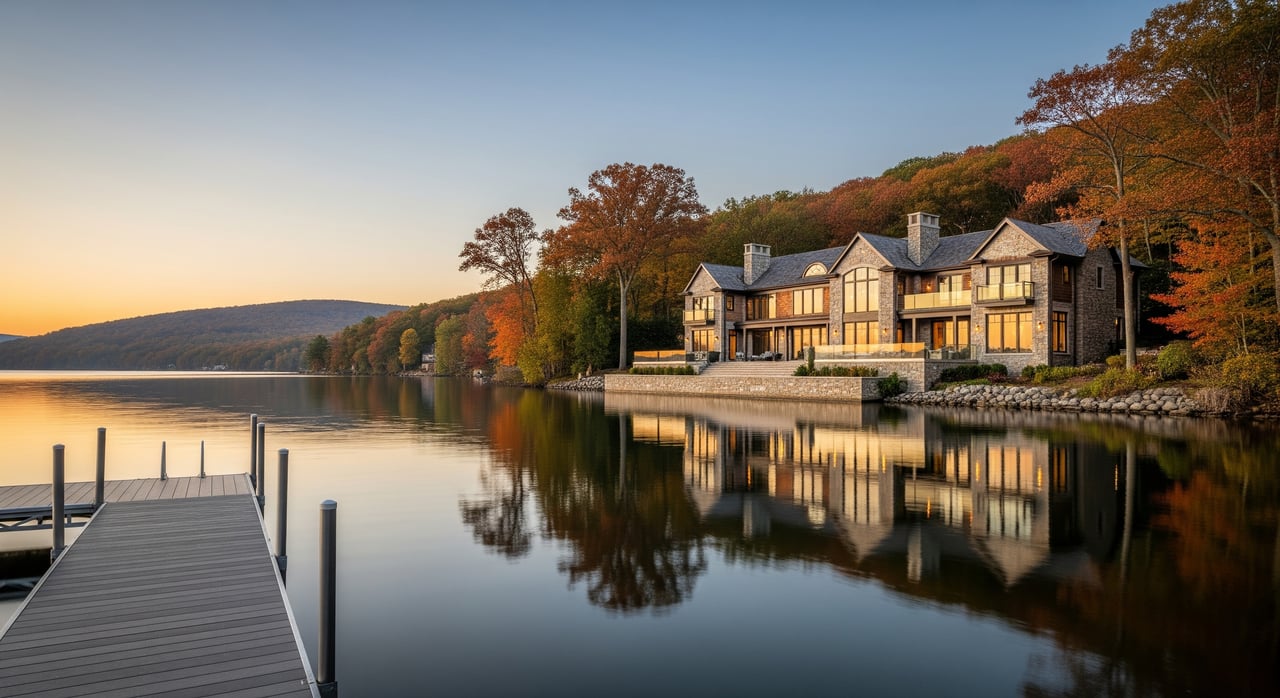
Ringwood’s lake neighborhoods are compact, private, and highly specific. Most listings are single-family homes, from vintage cottages to larger year-round residences. What separates values are the water rights and the details you cannot see on a standard map.
Key differentiators you will see in listings:
- Waterfront vs. lake access only vs. lake view
- Deeded dock or boathouse vs. no dock
- Shoreline type and frontage length
- Lot size, tree cover, and approach to the water
- Septic and well status, and any upgrades or required work
- Association rules, membership, and fees for each lake
Because buyers include both weekend users and full-time residents, demand is seasonal. That mix also shapes how sensitive prices are to features like docks, frontage, and renovation level.
Seasonality shapes inventory and prices
Inventory and activity follow a clear lake-life calendar. Here is what typically happens through the year.
Spring: late February to May
This is the strongest listing window for most sellers. New listings rise as owners aim to capture summer-minded buyers. Homes show well as docks go in and shorelines look their best. Well-presented properties with strong water access can see faster offers and firmer pricing.
Early summer: June to July
Buyer interest for lake homes peaks. Lifestyle features are on full display and competition can increase. The best-prepped homes can command a premium. Condition gaps are also more visible, so pricing strategy matters.
Late summer to early fall: August to October
Demand cools but stays steady. Some buyers act now to position for off-season pricing. Sellers who missed spring may adjust expectations. Days on market can stretch for homes that need work or lack clear water rights.
Winter: November to February
Fewer listings and showings, but motivated buyers shop now to lock in before spring. Days on market often lengthen and negotiation power can shift toward buyers. Some buyers prefer winter because they can secure a better price and still be ready for summer.
Inventory and liquidity realities
Cupsaw, Erskine, and Skyline are small submarkets. That means monthly transaction counts are low and medians can jump around. You will get a clearer read by reviewing 12 to 36 months of data and looking at rolling averages.
Metrics to track before you decide:
- Active inventory and new listings each month
- Closed sales and pending contracts, with a rolling 12-month view
- Median and mean sale price, plus price per finished square foot when available
- Median days on market by month and by property type
- Sale-to-list price ratio by month
- Sale price distribution to see the difference between cottages and renovated homes
Use a seasonal index when possible to normalize each month against the annual average. Check year-over-year changes for inventory, prices, and DOM. This helps you separate a trend from a one-month blip.
Value drivers that move price
Waterfront vs. access vs. view
Treat these as different products. True waterfront with usable frontage and a deeded dock typically commands a premium. Lake access without frontage is next. A lake view without water rights is usually a third tier.
Dock, boathouse, and frontage details
Deeded docks, boathouses, and generous frontage can lift value. Shoreline type matters as well. A stable, usable shoreline is often more desirable than a narrow or heavily vegetated edge.
Condition, systems, and expansion potential
Renovated homes with modern systems appeal to both full-time and weekend users. Older properties with septic or well issues can face price adjustments. Septic capacity and placement near the shoreline can limit additions and future plans.
Rules, rights, and association context
Private-lake associations set access rules, boat types, and amenities. Transferability of lake rights, membership policies, and fees are essential to verify. These factors influence day-to-day enjoyment and resale value.
Flood risk, insurance, and financing
Flood zones affect insurance requirements and premiums. Premium changes and mapping updates can shift affordability. Lenders may also have added requirements for seasonal structures or cottages. Factor these costs into your budget early.
Buyer strategies by season
- Late fall and winter can offer more negotiation room and less competition. You may trade speed for selection, since inventory is lower.
- Spring and early summer let you see lake conditions and lifestyle features in full. Expect more competition for the best addresses.
- Ask for a 24 to 36 month MLS export filtered to waterfront, lake access only, and lake view. Compare sale-to-list ratios and DOM across seasons.
- Get flood, septic, and insurance details up front. Price your offer with those costs in mind.
Seller strategies by season
- List late winter to early spring to catch buyers planning for summer. Prep photos and staging early so you hit the market before peak competition.
- If selling as-is, consider late fall or winter. Expect longer days on market, but you may face fewer competing listings.
- Lean into water-season presentation. Place docks, tidy shoreline areas, and provide summer photos. Include winter images to show year-round comfort.
- Set pricing using recent, hyper-local comps. Adjust for frontage, dock rights, septic status, and renovation level.
How to read the data like a pro
To make clean decisions in a small market, build a focused dataset and smooth the noise.
What to ask your agent to run:
- A 36-month MLS search for Ringwood with Cupsaw, Erskine, and Skyline filters, single-family only
- Separate reports for waterfront, lake access only, and lake view
- Fields for waterfront status, frontage, deeded dock, association type, septic and well notes, list price, sold price, DOM, and square footage
- Rolling 3, 6, and 12-month averages for prices, DOM, and sale-to-list ratios
- A simple seasonal index for inventory and median price by month
For pricing and offer strategy, use comps from the past 6 to 12 months when available. Adjust for frontage length, dock ownership, renovation level, septic age, and any required remediation.
Due diligence checklist for Ringwood lake homes
- Confirm FEMA flood zone and base flood elevation for the address
- Obtain preliminary flood insurance quotes and coverage options
- Order septic inspection, location mapping, and capacity assessment
- Test the well, review water quality and equipment age
- Review lake association rules, fees, guest policies, and transferability of rights
- Verify dock and shoreline permits, plus any conservation or Highlands constraints
- Check permit history for additions, shoreline work, or repairs
- Confirm easements, shared drives, riparian rights, and any recorded restrictions
What this means for your timing
If you want the widest audience and strongest showing conditions, target a late winter to spring launch. If you value fewer competing listings or plan to sell as-is, a late fall or winter strategy can work with the right pricing. As a buyer, match your style to your goals. Shop in spring and early summer if you want the clearest read on lake use and are ready to compete. Shop in late fall or winter if you want more negotiation leverage and can be patient with selection.
Across all seasons, remember that small monthly samples can hide or exaggerate shifts. Use 12 to 36 months of MLS data, segment by water rights, and apply moving averages so you can act with confidence.
Ready to talk Ringwood lakes?
You deserve a plan tailored to your goals and the realities of Cupsaw, Erskine, and Skyline. If you want a customized MLS report, a pricing strategy for your home, or a buyer game plan that accounts for flood, septic, and association factors, let’s connect. Schedule your Free Consultation with The Only Orly Group.
FAQs
How does seasonality affect Ringwood lakefront prices?
- Prices often firm up in spring and early summer when lifestyle features show best and demand is strongest, while late fall and winter can bring more negotiation room as activity slows.
When is the best time to list a Ringwood lake home?
- Late winter to early spring typically captures buyers planning for summer use, which can support faster offers and stronger pricing if your home is well prepared.
Are Ringwood lakefront medians reliable month to month?
- Not always. Small sample sizes can make monthly medians jump. Review 12 to 36 months of data and use rolling averages to see the true trend.
What adds the most value on Cupsaw, Erskine, and Skyline?
- Usable waterfront with deeded dock rights, solid shoreline conditions, and updated systems often command premiums compared to lake access only or view-only homes.
How do flood zones and insurance affect my budget?
- If a property is in a high-risk flood zone, your lender will likely require flood insurance, which increases monthly costs and can affect affordability and pricing strategies.
What inspections are most important for Ringwood lake homes?
- Prioritize septic and well inspections, flood zone verification, shoreline and dock permitting, and a review of association rules and fees before firming up an offer.
Are online value estimates accurate for Ringwood lakefronts?
- They can be off because they often mix waterfront, access-only, and view-only properties. Use a segmented MLS comp set tailored to your home’s rights and features.
How should buyers compare homes across the three lakes?
- Segment by water rights first, then adjust for frontage, dock ownership, renovation level, septic status, and association policies. This keeps comparisons apples to apples.